
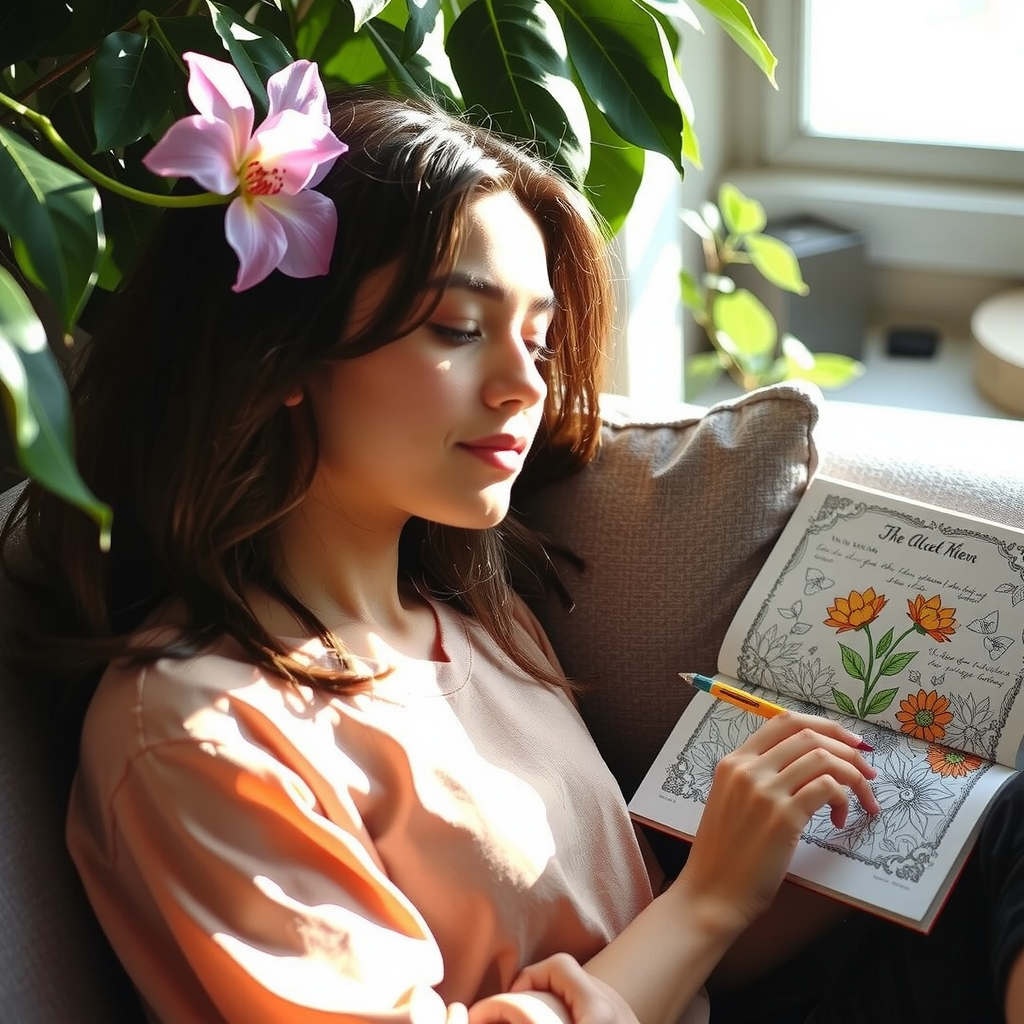
In today's fast-paced world, stress and anxiety have become common companions for many individuals. Chronic stress not only affects mental health but also impacts physical well-being, leading to issues such as insomnia, headaches, and weakened immune response. While professional therapy and medication are vital options for some, many seek accessible, enjoyable ways to manage stress daily. One increasingly popular and effective method is engaging in coloring activities, especially coloring books designed for stress relief. Coloring books for stress relief have gained widespread popularity across all age groups, from children to seniors. They serve as a form of mindfulness, helping individuals focus on the present moment and divert their attention from worries. Beyond coloring, other stress-reducing methods include physical activity, meditation, deep breathing exercises, and lifestyle adjustments. This comprehensive guide explores how coloring books can be an essential part of your stress management toolkit and shares additional strategies to foster mental calmness and resilience.
📑 Table of Contents
- 1. Understanding Stress and Anxiety: Causes and Effects
- 2. The Science Behind Coloring and Stress Relief
- 3. Benefits of Coloring Books for Stress Relief
- 4. Choosing the Right Coloring Books for Stress Relief
- 5. Incorporating Coloring into Your Daily Stress Management Routine
- 6. Complementary Stress-Reducing Methods
- 7. Stress Relief for Teens: Tailoring Activities to Youth Needs
- 8. Success Stories and Testimonials
- 9. Conclusion: Embracing Coloring and Other Methods for Lasting Stress Relief
Understanding Stress and Anxiety: Causes and Effects
Before exploring stress-reducing methods, it's crucial to understand what stress and anxiety are, their common causes, and how they impact our bodies and minds. Stress is a natural physiological response to perceived threats or challenges, activating the 'fight or flight' response. While short-term stress can be beneficial, motivating us to meet deadlines or handle emergencies, chronic stress can be detrimental.
Anxiety, often linked to persistent worry about future events, can become overwhelming and interfere with daily functioning. Causes of stress and anxiety vary widely, including work pressures, relationship issues, financial concerns, health problems, and lifestyle habits. Recognizing these triggers is the first step toward managing their effects.
Long-term exposure to stress hormones like cortisol can lead to health problems such as hypertension, depression, weakened immune system, and sleep disturbances. Understanding these impacts underscores the importance of adopting effective stress management techniques to maintain overall well-being.
The Science Behind Coloring and Stress Relief
Coloring as a therapeutic activity is rooted in principles of mindfulness and art therapy. When engaging in coloring, individuals often experience a state similar to meditation, where focus on repetitive motions and color choices helps quiet the mind. This meditative aspect reduces cortisol levels and promotes relaxation.
Research indicates that coloring activates the brain's relaxation response, decreases anxiety, and enhances mood. The act of choosing colors and filling in intricate designs encourages mindfulness, allowing the mind to shift away from stressors and into a calm, present-focused state.
Furthermore, coloring stimulates the right hemisphere of the brain, responsible for creativity and visual processing, fostering emotional expression and providing an outlet for feelings. The simplicity and accessibility of coloring make it an appealing stress relief method for people of all ages, especially teens seeking constructive ways to cope with emotional challenges.
Benefits of Coloring Books for Stress Relief
Coloring books designed for stress relief offer numerous mental and emotional benefits. They provide a structured yet flexible activity that encourages mindfulness, helping individuals disconnect from daily worries. The repetitive motion of coloring can induce a trance-like state, reducing anxiety and promoting mental clarity.
Specific benefits include:
- Enhanced Focus and Concentration: Coloring requires attention to detail, helping to divert focus from stressors.
- Mood Improvement: Bright colors and creative expression boost serotonin levels, improving mood.
- Reduced Feelings of Anxiety and Depression: Engaging in a calming activity can alleviate symptoms of anxiety and depression.
- Development of Mindfulness Skills: Coloring encourages present-moment awareness, which can be applied to other areas of life.
- Accessible and Portable: Coloring books are easy to carry, making it simple to practice stress relief anywhere.
For teens, stress relief coloring books tailored with themes like nature, mandalas, or inspirational quotes can be especially effective in fostering relaxation and emotional resilience.
Choosing the Right Coloring Books for Stress Relief
Selecting the appropriate coloring book is essential to maximize its stress-relieving benefits. Consider the following factors:
- Design Complexity: Opt for books with intricate patterns like mandalas or floral designs for a meditative experience, or simpler images if you prefer quick, satisfying coloring sessions.
- Themes and Motifs: Choose themes that resonate with your interests, such as nature, animals, spiritual symbols, or abstract patterns.
- Paper Quality: High-quality, thick paper prevents bleed-through and allows for various coloring mediums like markers or colored pencils.
- Age-Appropriate Content: For teens, look for coloring books that feature contemporary themes, motivational quotes, or trendy designs.
- Inclusive Content: Diversity in illustrations and themes can enhance engagement and emotional connection.
Many publishers now offer specialized stress relief coloring books for teens, combining appealing visuals with positive messaging to foster mental wellness.
Incorporating Coloring into Your Daily Stress Management Routine
To experience the full benefits of coloring for stress relief, consistency is key. Here are actionable tips to integrate coloring into your daily routine:
- Set a Dedicated Time: Allocate 10-20 minutes each day, perhaps in the morning or before bed, for coloring as a mindfulness practice.
- Create a Calm Environment: Find a quiet, comfortable space with good lighting and minimal distractions.
- Use Quality Materials: Invest in good-quality coloring supplies to enhance the experience and encourage regular use.
- Combine with Relaxation Techniques: Pair coloring with deep breathing, gentle music, or aromatherapy for an amplified calming effect.
- Make It a Social Activity: Coloring with friends or family can strengthen bonds and provide mutual support.
- Keep a Coloring Journal: Document your feelings and progress to reflect on your emotional journey and reinforce positive habits.
By establishing a routine, coloring becomes a habitual tool for managing stress and cultivating mindfulness over time.
Complementary Stress-Reducing Methods
While coloring is highly effective, combining it with other stress-reduction techniques can provide a more comprehensive approach:
- Physical Activity: Regular exercise releases endorphins, natural mood boosters, and reduces stress hormones.
- Mindfulness Meditation: Practicing meditation enhances awareness and acceptance of present experiences, diminishing anxiety.
- Deep Breathing Exercises: Techniques like diaphragmatic breathing slow the nervous system and promote relaxation.
- Progressive Muscle Relaxation: Systematically tensing and relaxing muscle groups helps release physical tension.
- Healthy Lifestyle Habits: Adequate sleep, balanced nutrition, and hydration support mental health.
- Social Support: Connecting with friends, family, or support groups provides emotional relief and perspective.
Integrating these methods into your daily life creates a robust framework for managing stress effectively.
Stress Relief for Teens: Tailoring Activities to Youth Needs
Teens face unique stressors related to academics, social relationships, and identity development. Tailoring stress relief strategies to their interests and preferences increases engagement and effectiveness:
- Use Trendy or Themed Coloring Books: Incorporate popular motifs like superheroes, nature scenes, or motivational quotes.
- Encourage Creative Expression: Combine coloring with journaling or doodling to explore emotions.
- Leverage Digital Coloring Apps: For tech-savvy teens, digital coloring offers convenience and variety.
- Involve Peer Groups: Organize coloring sessions with friends to foster social support.
- Integrate with Other Relaxation Activities: Yoga, dance, or music can complement coloring for holistic stress management.
- Promote Mindful Breaks: Encourage teens to take regular mental health breaks during busy schedules.
Supporting teens in developing personalized, enjoyable stress relief routines can significantly improve their resilience and emotional health.
Success Stories and Testimonials
Many individuals have experienced transformative benefits from incorporating coloring into their stress management routines. For example, Sarah, a college student, reported that dedicating 15 minutes daily to coloring mandalas helped her reduce exam-related anxiety and improve focus. Similarly, Mark, a teenager dealing with social anxiety, found that coloring inspirational quotes boosted his mood and confidence.
Therapists increasingly recommend coloring as an adjunct therapy for anxiety and depression, citing its accessibility and calming effects. Online communities and social media platforms are filled with stories of users finding solace and emotional release through coloring activities.
These success stories underscore that coloring is not just a leisure activity but a powerful tool for mental health support, fostering mindfulness, creativity, and emotional balance.
Conclusion: Embracing Coloring and Other Methods for Lasting Stress Relief
Managing stress and anxiety is an ongoing journey that requires a combination of strategies tailored to individual needs. Coloring books for stress relief stand out as an accessible, enjoyable, and effective method to cultivate calmness, foster creativity, and improve mental well-being. When integrated with other techniques such as physical activity, mindfulness, and healthy lifestyle choices, coloring can significantly enhance your overall resilience against daily stressors.
Remember, the key is consistency and finding activities that resonate with you personally. Whether you prefer intricate mandalas, nature scenes, or motivational quotes, engaging regularly in coloring can serve as a mental reset and a source of joy amid life's challenges. Embrace this simple yet powerful tool along with other stress-reducing methods to lead a more balanced, peaceful life.
✨ Conclusion
Incorporating coloring books into your daily routine is a proven, enjoyable way to combat stress and anxiety. When combined with other stress reduction techniques like exercise, meditation, and healthy habits, coloring can significantly improve your mental health and emotional resilience. Start small, choose designs that inspire you, and make coloring a regular part of your self-care practice. Over time, you'll notice increased calmness, clarity, and a more positive outlook on life.